Buy parisarts.eu ?
We are moving the project
parisarts.eu .
Are you interested in purchasing the domain
parisarts.eu ?
domain@kv-gmbh.de · 0541-91531010
Buy parisarts.eu ?
What are bio-arches or orthodontics?
Bio-arches, also known as orthodontics, are a branch of dentistry that focuses on correcting irregularities in the teeth and jaws. This can include issues such as misaligned teeth, overbites, underbites, and crowded teeth. Orthodontic treatment often involves the use of braces, aligners, and other dental appliances to gradually move the teeth into their proper positions. The goal of bio-arches or orthodontics is to improve the function and appearance of the teeth and jaws, as well as overall oral health. **
What is needed for studying orthodontics?
To study orthodontics, one typically needs to have a bachelor's degree in a related field such as biology or chemistry. After completing a bachelor's degree, one must attend dental school to earn a Doctor of Dental Surgery (DDS) or Doctor of Dental Medicine (DMD) degree. Following dental school, additional training and education in orthodontics is required through a postgraduate orthodontic residency program, which can take an additional 2-3 years to complete. **

Similar search terms for Orthodontics
Top-Angebote
Products related to Orthodontics:
-
PRiME Landscape Canvas Wall Art Set, Modern Living Room Decor Paintings Landscape Canvas Wall Art Set, Modern Living Room Decor PaintingsTransform your space with this 5Pcs Canvas Print Paintings Landscape Pictures Wall Art Modern Living Room Decor set. Designed to bring life, depth, and elegance to any room, this landscape wall art set features stunning natural scenery that...29,97 $*Shipping: 0,00 $Secure redirect to the provider
-
ClearBags "Crystal Clear Bags with Adhesive Flap for 12 x 9 Photography Drawings or Prints Actual Bag Size: 12 7/16"" x 9 1/4"" 100 Bags ""At 12 7/16"" x 16 1/4"" our B12 is a versatile archival sleeve for packaging 12x16 artwork, matted pieces and photography. This bag features adhesive on the flap, which allows the bag to be adjusted for the perfect fit. This bag is made from a poly..."32,30 $*Shipping: 0,00 $Secure redirect to the provider
-
Scholastic Where the Sidewalk Ends: Poems and Drawings (Anniv (Hardcover) - Shel SilversteinThis special 30th anniversary edition includes 12 new poems and never before published drawings by Silverstein, encased in an exclusive metallic-silver ink jacket. Where the Sidewalk Ends: Poems and Drawings (Anniv22,99 $*Shipping: 0,00 $Secure redirect to the provider




-
What is a palate anchorage in orthodontics?
In orthodontics, palate anchorage refers to using the roof of the mouth (palate) as a source of anchorage to help move teeth into their correct positions. This technique is often used when there is a need to create space or correct the alignment of teeth. Palate anchorage can be achieved through the use of devices such as palatal expanders or temporary anchorage devices (TADs) that are attached to the palate to provide additional support during orthodontic treatment. By utilizing palate anchorage, orthodontists can achieve more precise and effective tooth movement. **
-
What is a functional analysis in orthodontics?
A functional analysis in orthodontics is a comprehensive evaluation of the relationship between the teeth, jaws, and surrounding structures to assess how they function together. This analysis helps orthodontists understand how the patient's bite and jaw movements may be contributing to any orthodontic issues. By examining factors such as jaw alignment, muscle function, and bite patterns, orthodontists can develop a treatment plan that addresses not only the alignment of the teeth but also the overall function of the patient's bite. This approach ensures that the orthodontic treatment not only improves the aesthetics of the smile but also enhances the overall function and health of the patient's bite. **
-
What is a palate anchor in orthodontics?
A palate anchor in orthodontics is a device used to widen the upper jaw. It is typically attached to the roof of the mouth and connected to braces or other orthodontic appliances. The palate anchor helps create more space in the mouth for crowded teeth and can also help correct bite issues. This device is often used in conjunction with other orthodontic treatments to achieve optimal results. **
-
What is a palatal anchorage in orthodontics?
Palatal anchorage in orthodontics refers to the use of the palate (the roof of the mouth) as a stable point of support to help move teeth into their correct positions. This technique is often used in cases where there is a need to prevent unwanted movement of certain teeth while adjusting the position of others. Palatal anchorage can be achieved through the use of devices such as palatal expanders or temporary implants that are attached to the palate to provide additional support during orthodontic treatment. **


Should one study orthodontics or pursue an apprenticeship?
The decision to study orthodontics or pursue an apprenticeship depends on individual career goals and interests. Studying orthodontics requires a significant investment of time and resources, but it can lead to a specialized and potentially lucrative career in dentistry. On the other hand, pursuing an apprenticeship can provide hands-on experience and practical skills in a specific trade or profession. Ultimately, individuals should consider their long-term career aspirations, personal strengths, and preferences before making a decision. **
What level of education is required for orthodontics?
To become an orthodontist, one must complete a bachelor's degree, followed by four years of dental school to earn a Doctor of Dental Surgery (DDS) or Doctor of Dental Medicine (DMD) degree. After dental school, orthodontists must complete an additional two to three years of specialized training in an orthodontic residency program. This means that a total of 10-11 years of education and training is required to become an orthodontist. **
Top-Angebote
Products related to Orthodontics:
-
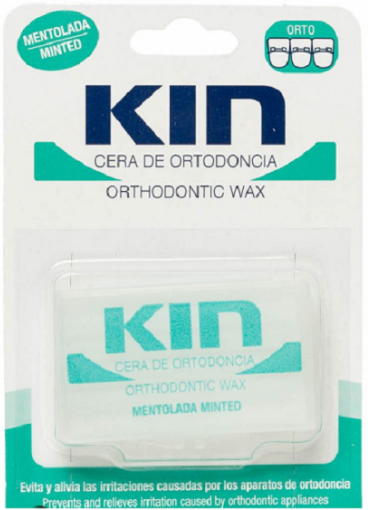
Kin Mentholated wax OrthodonticsHealth and Beauty Oral Care Kin Mentholated wax Orthodontics Mentholated orthodontic wax to prevent the brackets from rubbing the buccal mucose by covering the edges of the appliances and braces. Contains five 4.5 mm x 55 mm wax bars. Guidelines for administration Cut off a piece of the orthodontic wax from the case and apply on the area (wire or bracket) causing the pain. Presentations: 5 barras6,26 £*Shipping: 3,99 £Secure redirect to the provider
-
Skip's Garage Arms Drawings Cornhole Boards"Includes: (2) ACA Regulation Size Cornhole Boards. Boards are Regulation 24"" Wide x 48"" Long. Easily Add All-Weather Resin Filled Bags. Add Accessories like a Carrying Case or Board Lights. Lights are Multicolor and Easily Change Colors & Modes."471,49 $*Shipping: 0,00 $Secure redirect to the provider
-
PRiME Landscape Canvas Wall Art Set, Modern Living Room Decor Paintings Landscape Canvas Wall Art Set, Modern Living Room Decor PaintingsTransform your space with this 5Pcs Canvas Print Paintings Landscape Pictures Wall Art Modern Living Room Decor set. Designed to bring life, depth, and elegance to any room, this landscape wall art set features stunning natural scenery that...29,97 $*Shipping: 0,00 $Secure redirect to the provider
-
ClearBags "Crystal Clear Bags with Adhesive Flap for 12 x 9 Photography Drawings or Prints Actual Bag Size: 12 7/16"" x 9 1/4"" 100 Bags ""At 12 7/16"" x 16 1/4"" our B12 is a versatile archival sleeve for packaging 12x16 artwork, matted pieces and photography. This bag features adhesive on the flap, which allows the bag to be adjusted for the perfect fit. This bag is made from a poly..."32,30 $*Shipping: 0,00 $Secure redirect to the provider
-
What are bio-arches or orthodontics?
Bio-arches, also known as orthodontics, are a branch of dentistry that focuses on correcting irregularities in the teeth and jaws. This can include issues such as misaligned teeth, overbites, underbites, and crowded teeth. Orthodontic treatment often involves the use of braces, aligners, and other dental appliances to gradually move the teeth into their proper positions. The goal of bio-arches or orthodontics is to improve the function and appearance of the teeth and jaws, as well as overall oral health. **
-
What is needed for studying orthodontics?
To study orthodontics, one typically needs to have a bachelor's degree in a related field such as biology or chemistry. After completing a bachelor's degree, one must attend dental school to earn a Doctor of Dental Surgery (DDS) or Doctor of Dental Medicine (DMD) degree. Following dental school, additional training and education in orthodontics is required through a postgraduate orthodontic residency program, which can take an additional 2-3 years to complete. **
-
What is a palate anchorage in orthodontics?
In orthodontics, palate anchorage refers to using the roof of the mouth (palate) as a source of anchorage to help move teeth into their correct positions. This technique is often used when there is a need to create space or correct the alignment of teeth. Palate anchorage can be achieved through the use of devices such as palatal expanders or temporary anchorage devices (TADs) that are attached to the palate to provide additional support during orthodontic treatment. By utilizing palate anchorage, orthodontists can achieve more precise and effective tooth movement. **
-
What is a functional analysis in orthodontics?
A functional analysis in orthodontics is a comprehensive evaluation of the relationship between the teeth, jaws, and surrounding structures to assess how they function together. This analysis helps orthodontists understand how the patient's bite and jaw movements may be contributing to any orthodontic issues. By examining factors such as jaw alignment, muscle function, and bite patterns, orthodontists can develop a treatment plan that addresses not only the alignment of the teeth but also the overall function of the patient's bite. This approach ensures that the orthodontic treatment not only improves the aesthetics of the smile but also enhances the overall function and health of the patient's bite. **
Similar search terms for Orthodontics
-
Scholastic Where the Sidewalk Ends: Poems and Drawings (Anniv (Hardcover) - Shel SilversteinThis special 30th anniversary edition includes 12 new poems and never before published drawings by Silverstein, encased in an exclusive metallic-silver ink jacket. Where the Sidewalk Ends: Poems and Drawings (Anniv22,99 $*Shipping: 0,00 $Secure redirect to the provider
-
Uplift Essentials Elegant Silhouette Cat Sculptures Modern Minimalist Feline Decor Elegant Silhouette Cat Sculptures Modern Minimalist Feline DecorAdd a touch of sophisticated charm to your space with our Black and White Cat Sculpture Home Decoration Items. Designed for those who appreciate clean lines and feline grace, these sculptures capture the essence of a cats curiosity in a stunning,...45,97 $*Shipping: 0,00 $Secure redirect to the provider
-
Uttermost Limestone Link Sculptures (Set of 2)This Exquisite Set Of Two Limestone Link Sculptures Adds A Touch Of Artistic Elegance To Any Space. Each Piece Is Meticulously Crafted From Natural Limestone, Showcasing A Unique Texture And Organic Beauty.288,00 $*Shipping: 0,00 $Secure redirect to the provider
-
What is a palate anchor in orthodontics?
A palate anchor in orthodontics is a device used to widen the upper jaw. It is typically attached to the roof of the mouth and connected to braces or other orthodontic appliances. The palate anchor helps create more space in the mouth for crowded teeth and can also help correct bite issues. This device is often used in conjunction with other orthodontic treatments to achieve optimal results. **
-
What is a palatal anchorage in orthodontics?
Palatal anchorage in orthodontics refers to the use of the palate (the roof of the mouth) as a stable point of support to help move teeth into their correct positions. This technique is often used in cases where there is a need to prevent unwanted movement of certain teeth while adjusting the position of others. Palatal anchorage can be achieved through the use of devices such as palatal expanders or temporary implants that are attached to the palate to provide additional support during orthodontic treatment. **
-
Should one study orthodontics or pursue an apprenticeship?
The decision to study orthodontics or pursue an apprenticeship depends on individual career goals and interests. Studying orthodontics requires a significant investment of time and resources, but it can lead to a specialized and potentially lucrative career in dentistry. On the other hand, pursuing an apprenticeship can provide hands-on experience and practical skills in a specific trade or profession. Ultimately, individuals should consider their long-term career aspirations, personal strengths, and preferences before making a decision. **
-
What level of education is required for orthodontics?
To become an orthodontist, one must complete a bachelor's degree, followed by four years of dental school to earn a Doctor of Dental Surgery (DDS) or Doctor of Dental Medicine (DMD) degree. After dental school, orthodontists must complete an additional two to three years of specialized training in an orthodontic residency program. This means that a total of 10-11 years of education and training is required to become an orthodontist. **
* All prices are inclusive of VAT and, if applicable, plus shipping costs. The offer information is based on the details provided by the respective shop and is updated through automated processes. Real-time updates do not occur, so deviations can occur in individual cases. ** Note: Parts of this content were created by AI.