Buy parisarts.eu ?
We are moving the project
parisarts.eu .
Are you interested in purchasing the domain
parisarts.eu ?
domain@kv-gmbh.de · 0541-91531010
Buy parisarts.eu ?
What is the difference between patchwork and quilting?
Patchwork and quilting are related but distinct crafts. Patchwork involves sewing together small pieces of fabric to create a larger design or pattern, often using a variety of colors and prints. Quilting, on the other hand, refers to the process of layering the patchwork top with batting and a backing fabric, and then stitching through all the layers to create a finished quilt. In essence, patchwork is the design and piecing of the fabric, while quilting is the process of finishing the quilt with batting and stitching. **
Isn't patchwork and quilting somehow the same thing?
Patchwork and quilting are related but not the same thing. Patchwork refers to the technique of sewing together small pieces of fabric to create a larger design, while quilting refers to the process of stitching together the layers of a quilt to create a finished piece. Quilting often incorporates patchwork designs, but it can also include other techniques such as appliqué and embroidery. In summary, patchwork is a specific technique within quilting, but quilting encompasses a broader range of techniques and processes. **
Similar search terms for Quilting
Top-Angebote
Products related to Quilting:
-
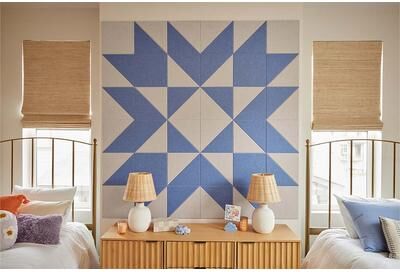
Felt Right Small Quilting Star Sound Dampening Pinnable TilesMeet your new favorite design wall. Inspired by an iconic quilting block, Felt Right’s Quilting Star design wall is a beautiful way to lay out your patterns and keep your fabric off the ground. Enjoy this preconfigured design or customize it to fit...73,76 $*Shipping: 0,00 $Secure redirect to the provider
-
YUZHOU 55.12-Inch Craft Table for Sewing, Quilting, and DIY ProjectsThis sewing table features a spacious 55.12-inch tabletop and two open storage shelves for sewing, quilting, and DIY crafts. Ships in two separate packages; please wait until both packages arrive before assembly.259,49 $*Shipping: 0,00 $Secure redirect to the provider
-
Uplifted Finds Precision Metal Seam Measuring Gauge & Quilting Sewing Ruler Template 02 10pcsAchieve professional accuracy on every hem, seam, and pattern fold with this Precision Metal Seam Measuring Gauge! Designed specifically for sewers, quilters, tailors, and DIY craft enthusiasts, this compact metal ruler features an adjustable...117,97 $*Shipping: 0,00 $Secure redirect to the provider
-
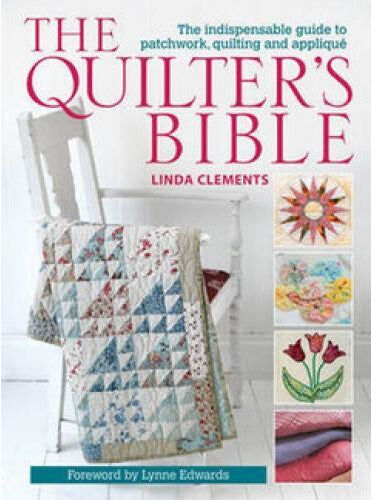
David & Charles The Quilters Bible The Indispensable Guide To Patchwork Quilting And Appliquehttp://www.play.com/stores/snazal/listing/789147436The Quilter's Bible: The Indispensable Guide to Patchwork; Quilting and Applique This is the most comprehensive book on the market for patchwork; quilting and applique techniques and is ideal for both the beginner looking for trustworthy advice in a single volume and the committed quilter searching for authoritative reference for seldom-used techniques. Book Description Every quilter; whether you are new or more experienced; should own this comprehensive guide to all quilting techniques. Packed full of expert advice on all aspects of quilting; patchwork and applique it holds the answer to all your quilting questions. It presents essential advice and instructions alongside a wide range of inspirational samples of work collected from international top-name quilters. It also features over 15 quilt projects including cot quilts; bed quilts; lap quilts; bags; cushions; wall hangings; table mats and runners; and other beautiful projects for the home. Easy-to-follow step-by-step instructions; clear diagrams and stunning photography combine to create this must-have resource for quilters of all abilities. Techniques covered include quilting basics such as making a quilt sandwich; hand and machine quilting; basting and binding a quilt. Other techniques include big stitch; sashiko; free motion; corded and stuffed (trapunto) quilting. There are instructions for over 100 different patchwork blocks; with detailed instructions for different kinds of piecing such as English paper piecing; foundation piecing and strip piecing. Techniques for applique are also included which cover different types of applique such as needle-turn; reverse; inlaid and shadow applique as well as using freezer paper and fusible web.12,95 £*Shipping: 2,99 £Secure redirect to the provider


-
What do you do with the basting threads when hand quilting?
When hand quilting, the basting threads are removed once the quilting is complete. These temporary threads are used to hold the layers of the quilt together while the quilting stitches are being added. Once the quilting is finished, the basting threads are carefully snipped and removed from the quilt. This allows the quilt to be finished and the layers to be securely held together by the quilting stitches. **
-
Are the Carina Professional Stick and the darning foot necessary for free motion quilting?
While the Carina Professional Stick and the darning foot are not absolutely necessary for free motion quilting, they can be very helpful tools. The Carina Professional Stick helps to keep the quilt layers smooth and taut while quilting, which can result in more even stitches. The darning foot is designed specifically for free motion quilting, allowing for better visibility of the stitching area and preventing fabric from getting caught. Overall, while not essential, these tools can make the free motion quilting process easier and more efficient. **
-
What attracts you to nude sculptures and paintings?
I am attracted to nude sculptures and paintings because they often capture the beauty and complexity of the human form in a raw and unfiltered way. The artists' ability to convey emotion, vulnerability, and strength through the depiction of the nude figure is captivating to me. Additionally, I appreciate the skill and technique required to create realistic and expressive representations of the human body. Overall, nude art allows for a deeper exploration of the human experience and a celebration of the natural form. **
-
Which old drawings and wall paintings of Jesus still exist?
Some of the oldest drawings and wall paintings of Jesus that still exist today can be found in the catacombs of Rome, dating back to the 2nd and 3rd centuries. These early Christian artworks depict Jesus as a youthful figure with a beard, often shown performing miracles or surrounded by his disciples. Other ancient depictions of Jesus can be found in the Roman catacombs of Domitilla and Priscilla, as well as in the Dura-Europos church in Syria. **


Which old drawings and wall paintings of Jesus are still in existence?
Some of the oldest drawings and wall paintings of Jesus that are still in existence include the frescoes in the Catacombs of Rome, dating back to the 2nd and 3rd centuries. Additionally, the Dura-Europos house church in Syria contains some of the earliest known Christian wall paintings from the 3rd century. Another notable example is the Rabbula Gospels, a 6th-century illuminated manuscript that includes depictions of Jesus. These ancient artworks provide valuable insights into early Christian iconography and beliefs. **
What old drawings and wall paintings of Jesus are still in existence?
Some of the oldest drawings and wall paintings of Jesus that are still in existence include the frescoes found in the Catacombs of Rome, dating back to the 2nd and 3rd centuries. Additionally, the Dura-Europos church in Syria contains some of the earliest known Christian wall paintings from the 3rd century. The Rabbula Gospels, a 6th-century illuminated manuscript, also contains some of the oldest surviving depictions of Jesus. These ancient artworks provide valuable insights into the early Christian iconography and beliefs surrounding Jesus. **
Top-Angebote
Products related to Quilting:
-
Felt Right Quilting Star Sound Dampening Pinnable TilesMeet your new favorite design wall. Inspired by an iconic quilting block, Felt Right’s Quilting Star design wall is a beautiful way to lay out your patterns and keep your fabric off the ground. Enjoy this preconfigured design in Fog and Periwinkle...287,36 $*Shipping: 0,00 $Secure redirect to the provider
-
Felt Right Small Quilting Star Sound Dampening Pinnable TilesMeet your new favorite design wall. Inspired by an iconic quilting block, Felt Right’s Quilting Star design wall is a beautiful way to lay out your patterns and keep your fabric off the ground. Enjoy this preconfigured design or customize it to fit...73,76 $*Shipping: 0,00 $Secure redirect to the provider
-
YUZHOU 55.12-Inch Craft Table for Sewing, Quilting, and DIY ProjectsThis sewing table features a spacious 55.12-inch tabletop and two open storage shelves for sewing, quilting, and DIY crafts. Ships in two separate packages; please wait until both packages arrive before assembly.259,49 $*Shipping: 0,00 $Secure redirect to the provider
-
What is the difference between patchwork and quilting?
Patchwork and quilting are related but distinct crafts. Patchwork involves sewing together small pieces of fabric to create a larger design or pattern, often using a variety of colors and prints. Quilting, on the other hand, refers to the process of layering the patchwork top with batting and a backing fabric, and then stitching through all the layers to create a finished quilt. In essence, patchwork is the design and piecing of the fabric, while quilting is the process of finishing the quilt with batting and stitching. **
-
Isn't patchwork and quilting somehow the same thing?
Patchwork and quilting are related but not the same thing. Patchwork refers to the technique of sewing together small pieces of fabric to create a larger design, while quilting refers to the process of stitching together the layers of a quilt to create a finished piece. Quilting often incorporates patchwork designs, but it can also include other techniques such as appliqué and embroidery. In summary, patchwork is a specific technique within quilting, but quilting encompasses a broader range of techniques and processes. **
-
What do you do with the basting threads when hand quilting?
When hand quilting, the basting threads are removed once the quilting is complete. These temporary threads are used to hold the layers of the quilt together while the quilting stitches are being added. Once the quilting is finished, the basting threads are carefully snipped and removed from the quilt. This allows the quilt to be finished and the layers to be securely held together by the quilting stitches. **
-
Are the Carina Professional Stick and the darning foot necessary for free motion quilting?
While the Carina Professional Stick and the darning foot are not absolutely necessary for free motion quilting, they can be very helpful tools. The Carina Professional Stick helps to keep the quilt layers smooth and taut while quilting, which can result in more even stitches. The darning foot is designed specifically for free motion quilting, allowing for better visibility of the stitching area and preventing fabric from getting caught. Overall, while not essential, these tools can make the free motion quilting process easier and more efficient. **
Similar search terms for Quilting
-
Uplifted Finds Precision Metal Seam Measuring Gauge & Quilting Sewing Ruler Template 02 10pcsAchieve professional accuracy on every hem, seam, and pattern fold with this Precision Metal Seam Measuring Gauge! Designed specifically for sewers, quilters, tailors, and DIY craft enthusiasts, this compact metal ruler features an adjustable...117,97 $*Shipping: 0,00 $Secure redirect to the provider
-
David & Charles The Quilters Bible The Indispensable Guide To Patchwork Quilting And Appliquehttp://www.play.com/stores/snazal/listing/789147436The Quilter's Bible: The Indispensable Guide to Patchwork; Quilting and Applique This is the most comprehensive book on the market for patchwork; quilting and applique techniques and is ideal for both the beginner looking for trustworthy advice in a single volume and the committed quilter searching for authoritative reference for seldom-used techniques. Book Description Every quilter; whether you are new or more experienced; should own this comprehensive guide to all quilting techniques. Packed full of expert advice on all aspects of quilting; patchwork and applique it holds the answer to all your quilting questions. It presents essential advice and instructions alongside a wide range of inspirational samples of work collected from international top-name quilters. It also features over 15 quilt projects including cot quilts; bed quilts; lap quilts; bags; cushions; wall hangings; table mats and runners; and other beautiful projects for the home. Easy-to-follow step-by-step instructions; clear diagrams and stunning photography combine to create this must-have resource for quilters of all abilities. Techniques covered include quilting basics such as making a quilt sandwich; hand and machine quilting; basting and binding a quilt. Other techniques include big stitch; sashiko; free motion; corded and stuffed (trapunto) quilting. There are instructions for over 100 different patchwork blocks; with detailed instructions for different kinds of piecing such as English paper piecing; foundation piecing and strip piecing. Techniques for applique are also included which cover different types of applique such as needle-turn; reverse; inlaid and shadow applique as well as using freezer paper and fusible web.12,95 £*Shipping: 2,99 £Secure redirect to the provider
-
Search Press Sarah Paynes Quilt School - New Ways To Start Patchwork And QuiltingSarah Payne's Quilt School Description In this fun and practical introduction to patchwork and quilting; well-known TV personality Sarah Payne leads you through a series of techniques to build up your skills. Each chapter includes a number of different-sized step-by-step projects; including quilts; cushions; tote bags and table runners. Sarah discusses different shapes (squares; circles; triangles) and different techniques (applique; piecing blocks and curved piecing) in turn. She also includes information on basting; layering; quilting and binding; as well as pre-cuts. Filled with guidance and helpful tips and tricks; this book will equip you with all you need to know to get started on your quilting adventure. Put your skills into practice and at the same time create beautiful projects to keep or give as gifts.9,05 £*Shipping: 2,99 £Secure redirect to the provider
-
Uplifted Finds Precision Metal Seam Measuring Gauge & Quilting Sewing Ruler Template 01 20pcsAchieve professional accuracy on every hem, seam, and pattern fold with this Precision Metal Seam Measuring Gauge! Designed specifically for sewers, quilters, tailors, and DIY craft enthusiasts, this compact metal ruler features an adjustable...302,97 $*Shipping: 0,00 $Secure redirect to the provider
-
What attracts you to nude sculptures and paintings?
I am attracted to nude sculptures and paintings because they often capture the beauty and complexity of the human form in a raw and unfiltered way. The artists' ability to convey emotion, vulnerability, and strength through the depiction of the nude figure is captivating to me. Additionally, I appreciate the skill and technique required to create realistic and expressive representations of the human body. Overall, nude art allows for a deeper exploration of the human experience and a celebration of the natural form. **
-
Which old drawings and wall paintings of Jesus still exist?
Some of the oldest drawings and wall paintings of Jesus that still exist today can be found in the catacombs of Rome, dating back to the 2nd and 3rd centuries. These early Christian artworks depict Jesus as a youthful figure with a beard, often shown performing miracles or surrounded by his disciples. Other ancient depictions of Jesus can be found in the Roman catacombs of Domitilla and Priscilla, as well as in the Dura-Europos church in Syria. **
-
Which old drawings and wall paintings of Jesus are still in existence?
Some of the oldest drawings and wall paintings of Jesus that are still in existence include the frescoes in the Catacombs of Rome, dating back to the 2nd and 3rd centuries. Additionally, the Dura-Europos house church in Syria contains some of the earliest known Christian wall paintings from the 3rd century. Another notable example is the Rabbula Gospels, a 6th-century illuminated manuscript that includes depictions of Jesus. These ancient artworks provide valuable insights into early Christian iconography and beliefs. **
-
What old drawings and wall paintings of Jesus are still in existence?
Some of the oldest drawings and wall paintings of Jesus that are still in existence include the frescoes found in the Catacombs of Rome, dating back to the 2nd and 3rd centuries. Additionally, the Dura-Europos church in Syria contains some of the earliest known Christian wall paintings from the 3rd century. The Rabbula Gospels, a 6th-century illuminated manuscript, also contains some of the oldest surviving depictions of Jesus. These ancient artworks provide valuable insights into the early Christian iconography and beliefs surrounding Jesus. **
* All prices are inclusive of VAT and, if applicable, plus shipping costs. The offer information is based on the details provided by the respective shop and is updated through automated processes. Real-time updates do not occur, so deviations can occur in individual cases. ** Note: Parts of this content were created by AI.